
 glowblog
Introduction — a quick shop-floor moment
I once stood beside a tired operator watching a spindle stall mid-run, and that short scene told me a lot about everyday priorities on the shop floor. In that moment I thought: CNC machine service is not just about fixing parts — it’s about keeping people productive, safe, and calm. Recent shop surveys show unscheduled downtime still eats up roughly 10–20% of productive time in many small-to-mid shops (yes, those numbers sting). So I ask: how do we move from firefighting to predictable uptime without blowing the budget?
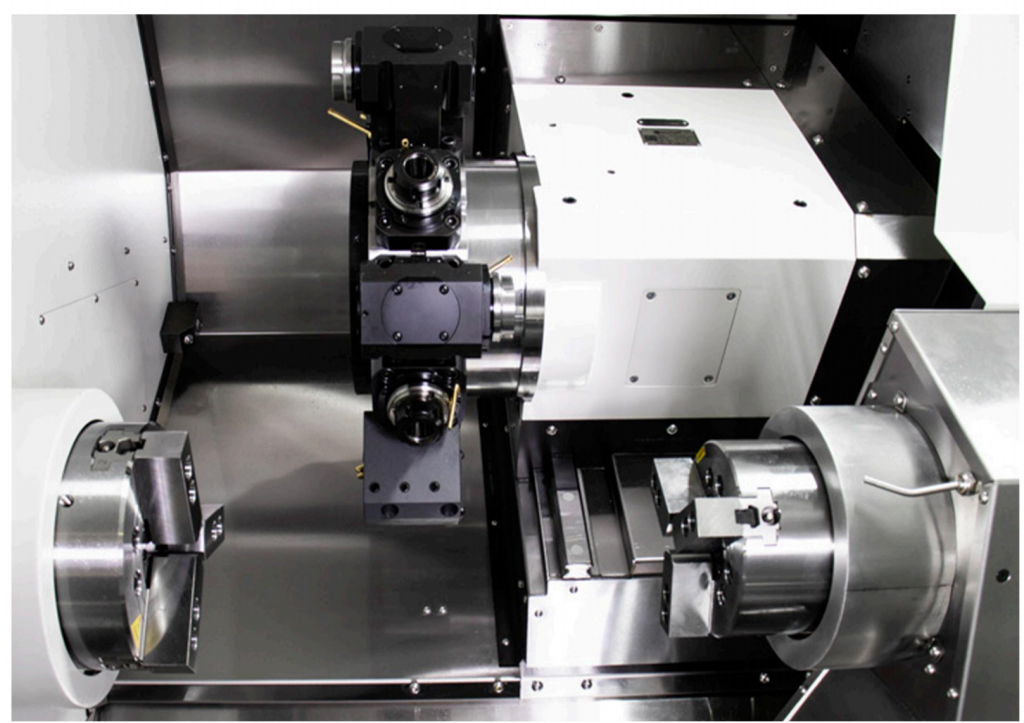
I share this because I care — and because I’ve seen practical changes make a measurable difference. My goal here is to walk you through problems I’ve run into, solutions I trust, and simple checks you can use tomorrow. This is friendly, hands-on guidance — nothing theoretical. Let’s move toward the specifics and peel back what usually gets missed.
Hidden problems in automated cnc machining services
Why does this keep happening?
Right up front: automated cnc machining services promise consistency, but between promise and practice there are gaps. I’ve audited systems where toolpath programs were fine, yet parts still failed due to small setup errors or degraded coolant system performance. Often the root cause isn’t the robot or CNC controller — it’s the small, repeatable slips: a worn collet, a neglected spindle speed tuning, or a coolant mix that drifted. These slip-ups quietly erode tolerance and throughput.
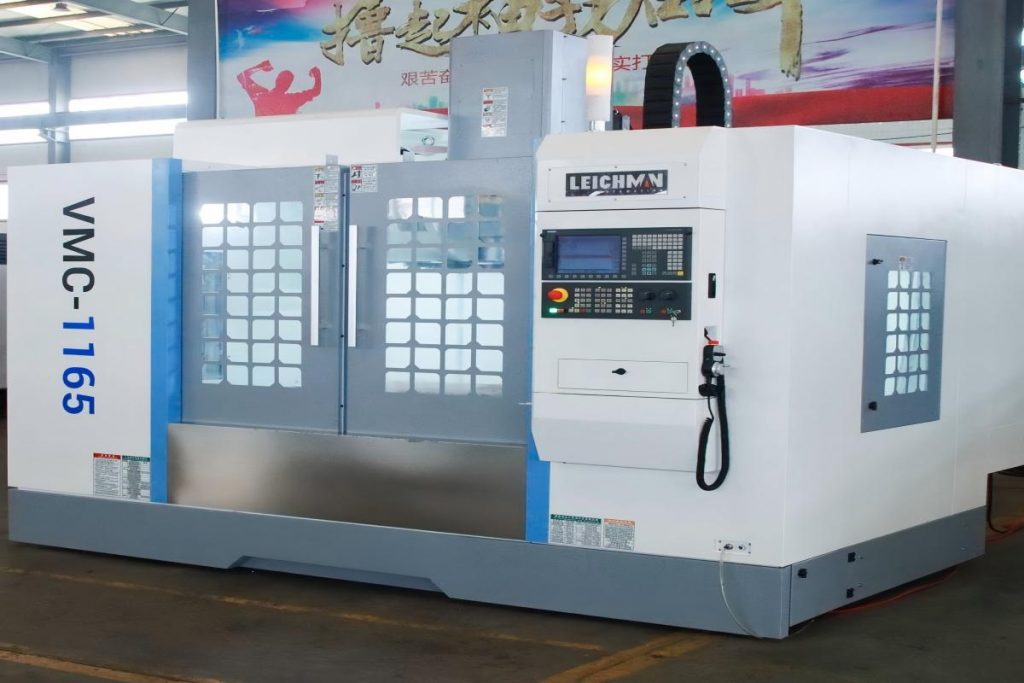
Here’s the technical bit (straightforward, not scary). Automated setups assume repeatable fixture location and stable machine dynamics. When either drifts, the control loops try to compensate, and you see chatter, surface marks, or dimensional drift. I keep an eye on three things: toolpath validation before full runs, spindle speed consistency, and coolant system health. Look, it’s simpler than you think — but it takes discipline. I’m convinced that routine checks and better data logging cut repeat failures by a large margin.
Future outlook — practical steps and what to measure
What’s next?
Looking ahead, I focus less on shiny tech and more on mixing smart tools with better habits. For example, pairing edge diagnostics with operator checklists gives you fast feedback and fewer surprises. And when I review shops adopting new workflows, the smartest move I see is targeted automation: automating the repeatable setup steps while leaving judgment calls to the human operator. That balance raises throughput without losing flexibility. In many trials, integrating simple sensors and a dashboard reduced setup variance — results you can see on the first week.
If you’re choosing between vendors or solutions for a cnc milling service, here are three practical evaluation metrics I trust: 1) Mean time to detect (how fast will a system flag a bad setup?), 2) Mean time to repair (how quickly can you get back to production?), and 3) Data transparency (can operators and engineers both see the same facts?). Use those metrics to compare offerings. Measure them over a month. Then decide. I’ve used this checklist myself — it saves time and money, — funny how that works, right?
I hope this guide helps you spot the small, fixable issues that cause most downtime, and helps you pick solutions that actually fit your shop. For practical implementation or to learn more about reliable service options, check out Leichman.
